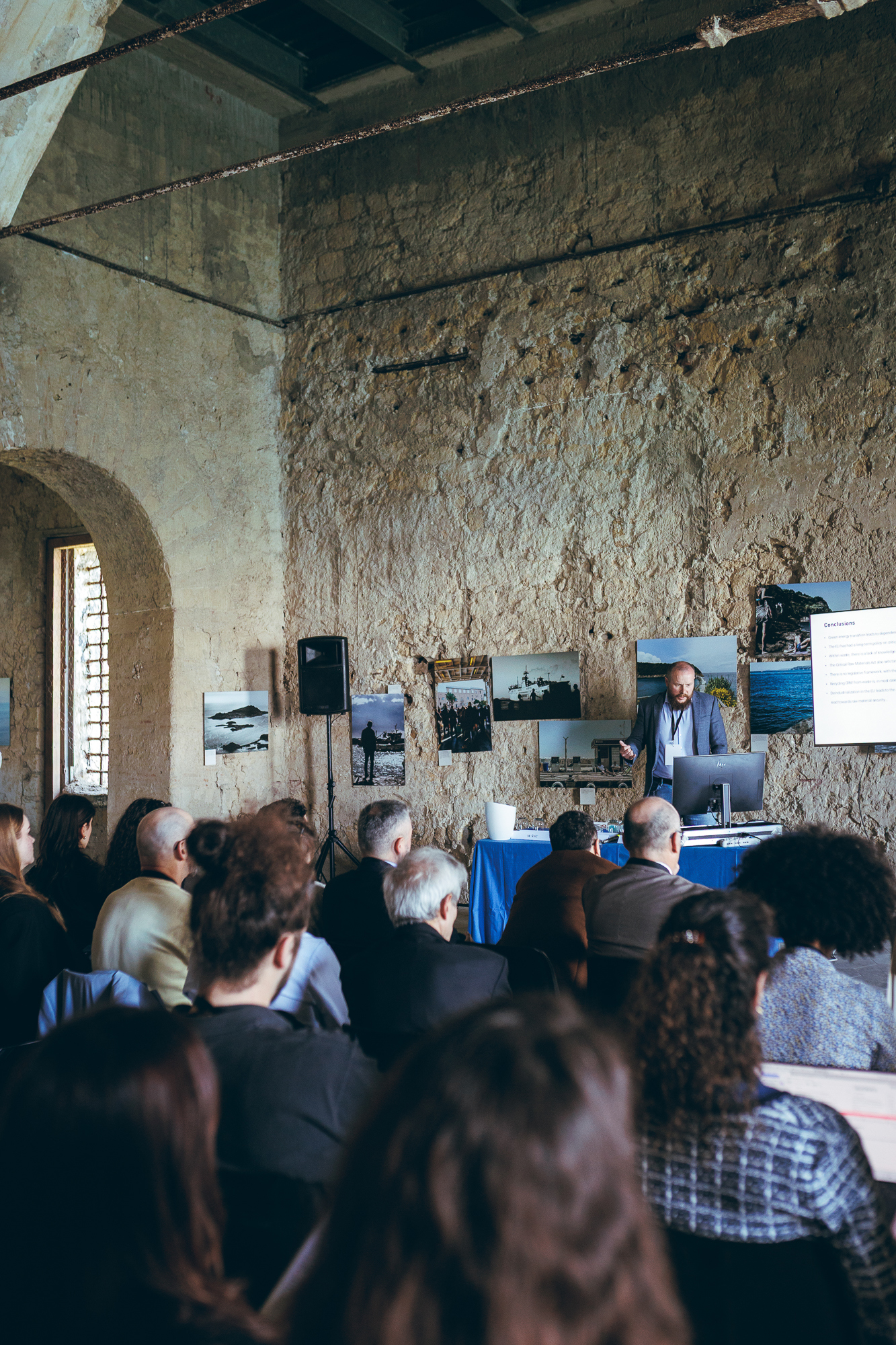
There is no circular economy without healthy ecosystems: SUM 2026 concludes in Procida with 219 participants from 29 countries. From the opening session dedicated to the One Health approach to the closing roundtable on the future challenges of sustainability, the Symposium confirms the need to address the ecological transition through a multidisciplinary perspective.
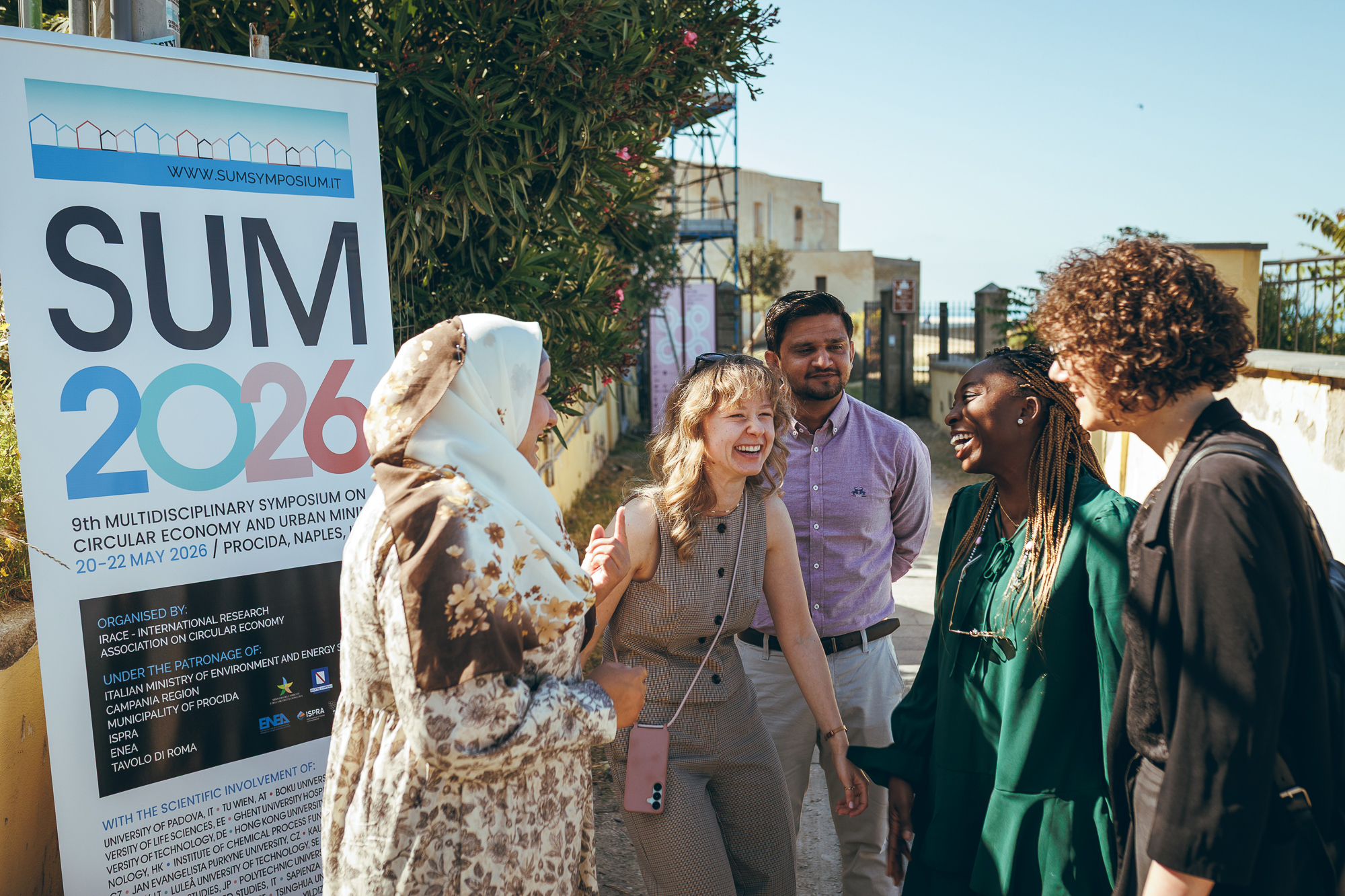
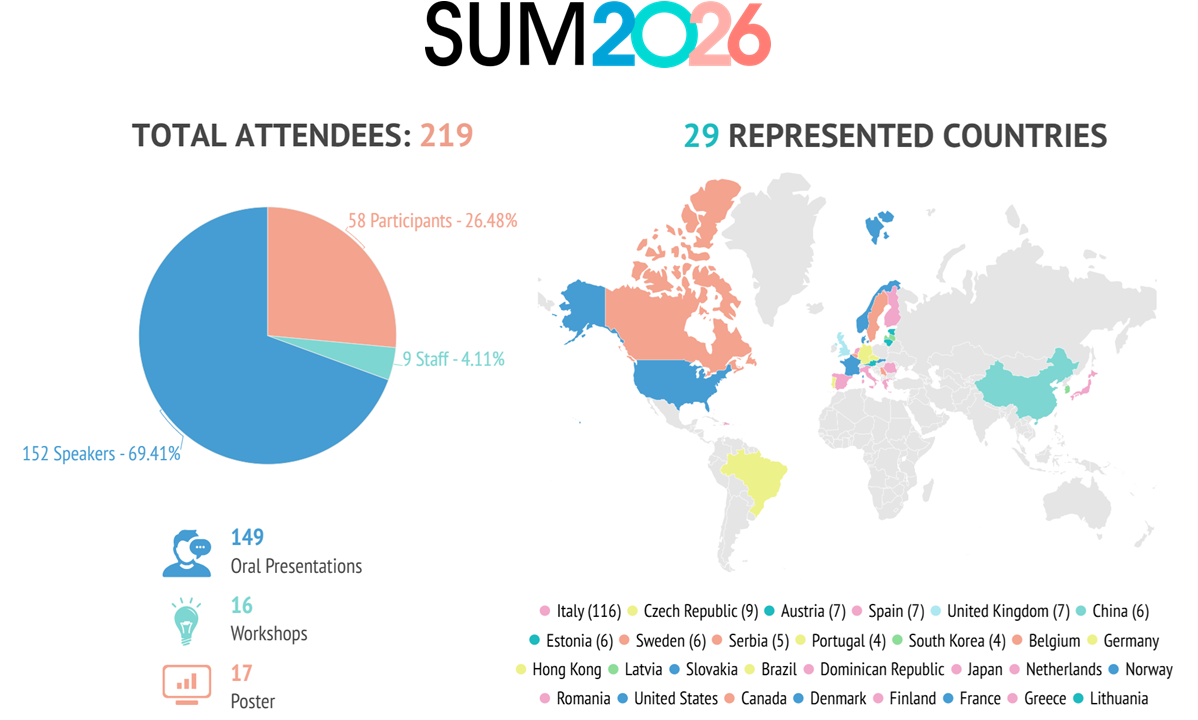
SUM 2026, the 9th Symposium on Circular Economy and Urban Mining, brought together researchers, professionals, policy makers, industry representatives, and institutional stakeholders from 29 countries for three days of scientific exchange and multidisciplinary discussion in Procida, Italy.
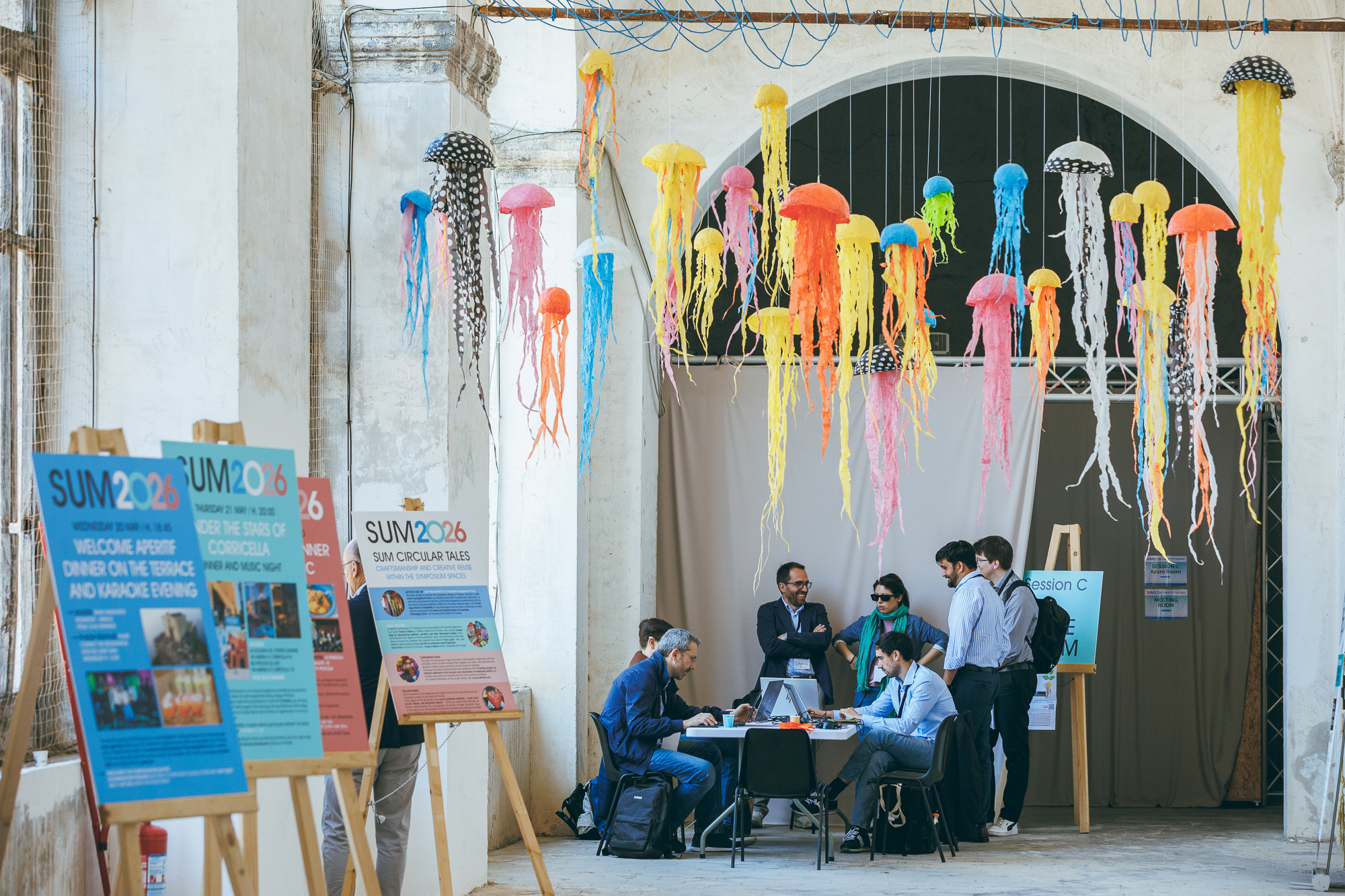
The 2026 edition confirmed the continued growth and international relevance of the Symposium, welcoming 219 participants and featuring a comprehensive scientific programme with 149 oral presentations, 16 workshops, and 17 posters. Participants came from 29 countries, including Italy, Austria, Belgium, Brazil, Canada, China, South Korea, Estonia, Germany, Japan, Portugal, the Czech Republic, Serbia, Spain, Sweden, the United Kingdom, the United States, and other countries across Europe, Asia, and the Americas, confirming the truly global dimension of the event. Throughout the Symposium, experts from a wide range of disciplines shared knowledge and experiences on the challenges and opportunities associated with the transition towards more circular and sustainable economic models.
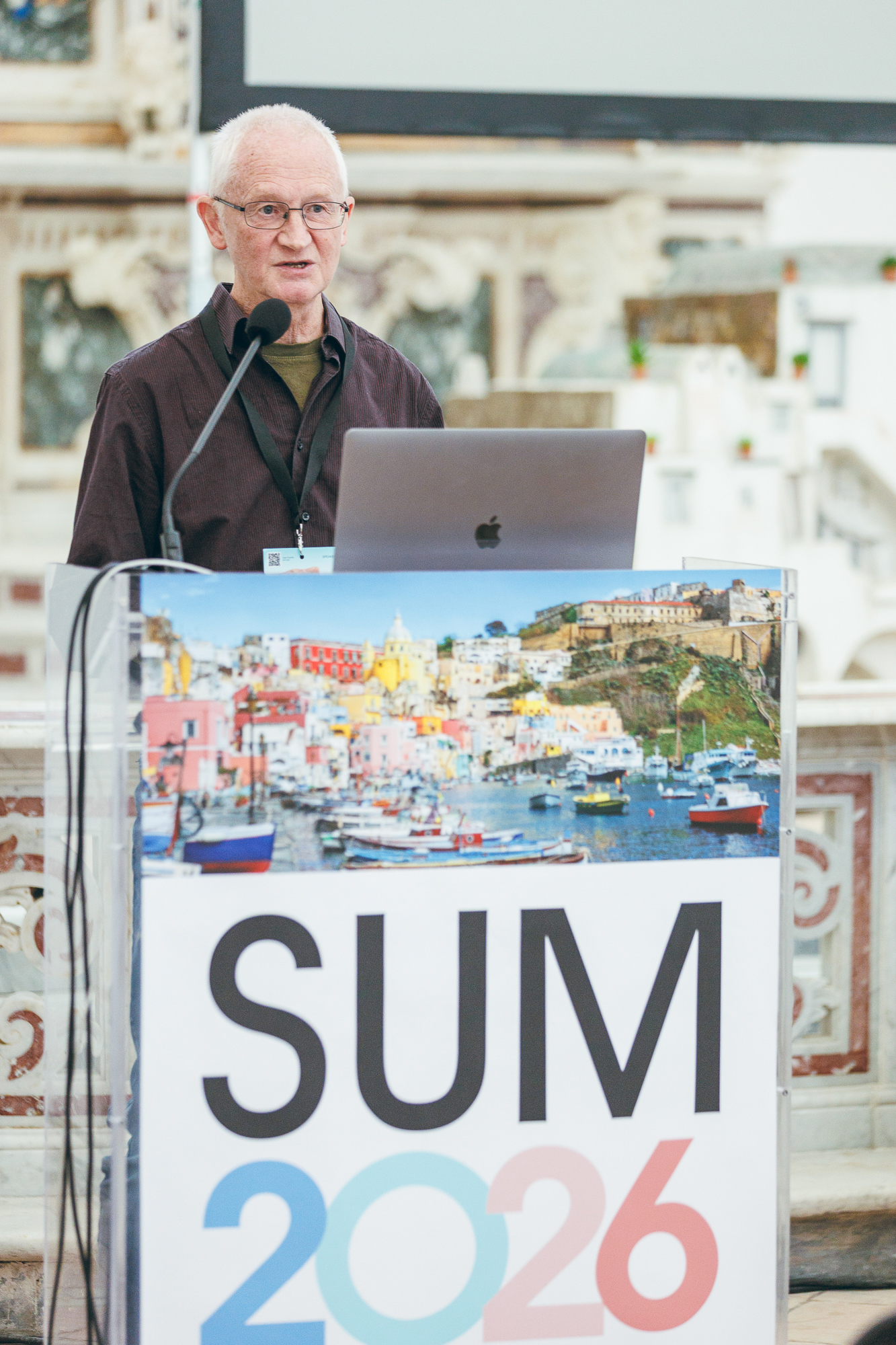
A recurring theme throughout SUM 2026 was the need to address sustainability challenges through integrated and multidisciplinary approaches. The opening keynote lecture by Professor Andrew Cunningham of the Zoological Society of London introduced the One Health perspective, highlighting the interdependence between human health, animal health, and ecosystem health. This concept provided a cross-cutting framework for many of the discussions held during the Symposium, reinforcing the importance of connecting environmental protection, resource management, public health, and economic development.
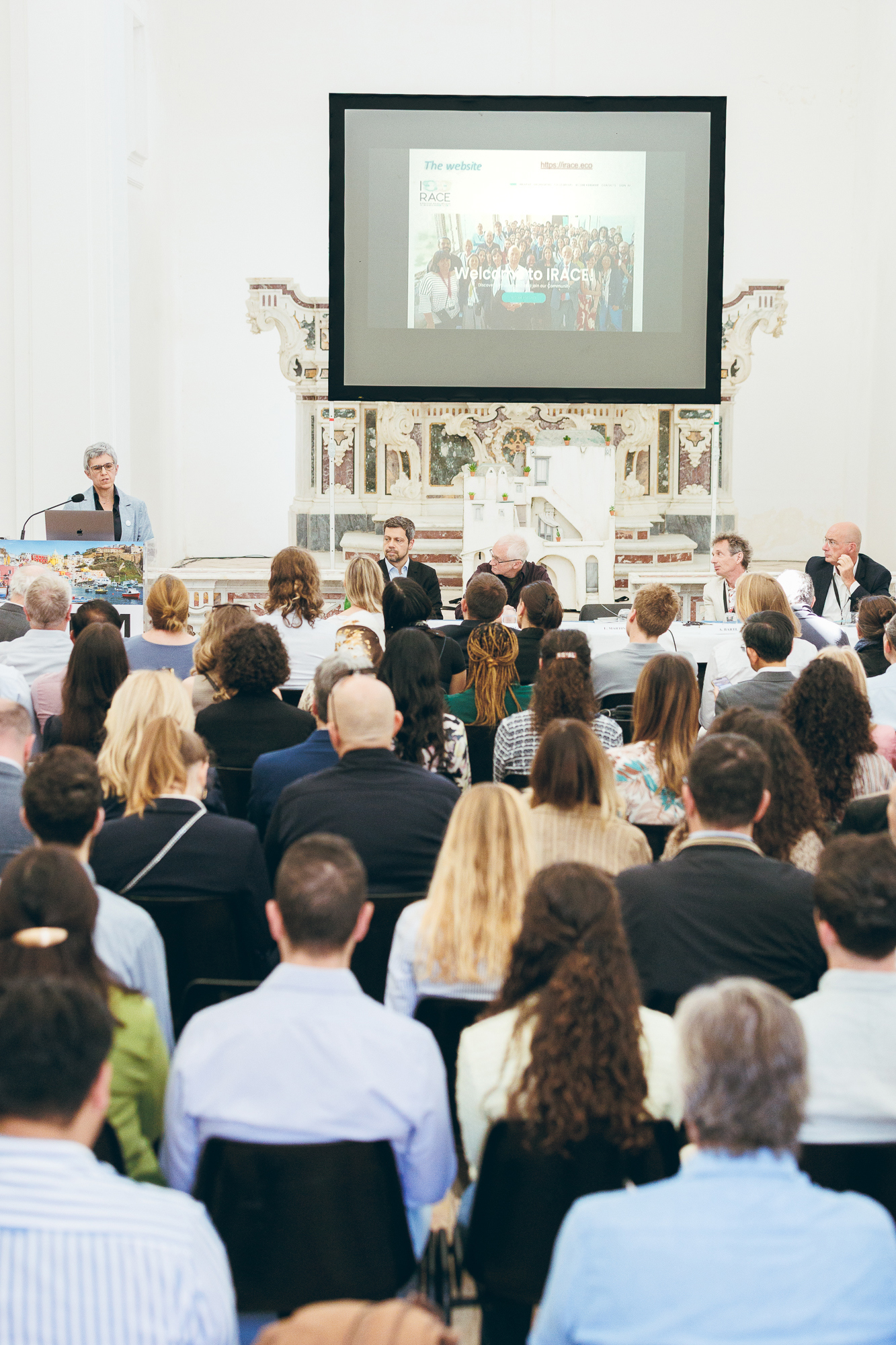
Particular attention was devoted to emerging challenges related to critical raw materials recovery, the recycling of complex waste streams, microplastics management, PFAS and other contaminants in recycled materials, and the relationship between waste management, environmental quality, and public health. The discussions highlighted how addressing these issues requires the combined contribution of multiple disciplines, including engineering, economics, environmental sciences, law, medicine, agronomy, architecture, and industrial ecology. The Symposium concluded with the roundtable discussion “Circular Economy Across Disciplines – Challenges, Solutions and Future Perspectives”, which brought together leading experts from different scientific fields to reflect on the main outcomes of the event and identify future research and policy priorities. A key message emerging from the discussion was that circular economy should increasingly be understood as a common platform for interdisciplinary collaboration, capable of connecting technological innovation, regulatory frameworks, economic instruments, environmental protection, and societal well-being.
SUM 2026 once again confirmed its role as an international forum for scientific dialogue, knowledge exchange, and cross-disciplinary collaboration. For three days, Procida became a global hub for discussions on circular economy and sustainability, demonstrating that the transition towards more circular systems requires not only technological innovation, but also systemic thinking and strong cooperation between research, institutions, and industry.
One of the most prominent topics was the contribution that circular economy can make to energy resource recovery, an area of growing strategic importance in light of current geopolitical challenges and increasing concerns regarding energy security and resilience. These themes will be further explored at our partner event, Venice 2026 – 11th International Symposium on Energy from Biomass and Waste, which will be held from 23 to 25 November 2026 in Venice, Italy.